When the Sky Opens: Practical Steps for Emergency Roof Fixes
It usually happens at the worst possible moment. A sudden storm rolls in over Glasgow, the wind picks up, and before you know it water is dripping through the ceiling. For homeowners in Bearsden and across the central belt, a roof leak is more than an inconvenience. It is a direct threat to the structure of your home, your belongings, and your peace of mind. Knowing what to do in those first few hours can make the difference between a quick repair and a major renovation.
The instinct is to panic, but panic leads to bad decisions. I have seen too many people grab a roll of duct tape and hope it holds. That is not a plan. When you are dealing with storm damage, the priority is containment, then assessment, then proper repair. You need to think clearly and act methodically. That is where understanding the basics of emergency roof fixes becomes genuinely useful.
First Response: Stop the Water, Protect the House
The first thing to do when you spot a roof leak is to catch the water. Put a bucket or a plastic tub under the drip. Clear the area of furniture, rugs, and anything else that could be ruined. If the leak is in a loft or attic, lay down a tarpaulin to catch the drips and funnel them toward a drain point. A heavy-duty tarpaulin is one of the most practical tools you can have on hand for emergency roof fixes. It is cheap, easy to store, and incredibly effective at buying you time.
Once the immediate water is under control, you need to get onto the roof or at least get a good look at it. Safety first. Do not climb onto a wet roof without proper gear. If you own an extension ladder, make sure it is on stable ground and that someone else is home to spot you. Never work alone on a roof, especially in bad weather. If the pitch is steep or the damage looks extensive, wait for a professional. A roofing contractor will have the right equipment, including scaffolding if needed, and the experience to work safely.
What to Look For: Common Sources of Storm Damage
Storm damage can take many forms. High winds often lift or tear roofing felt, exposing the underlayment to rain. Slate tiles can crack or slide out of place, leaving gaps that water finds immediately. Lead flashing around chimneys and roof vents is another weak point. Over time, lead flashing can split or pull away from the mortar, creating a channel for water to run straight into the wall cavity. Gutter guards can also be torn loose, allowing debris to block the flow and cause water to back up under the tiles.
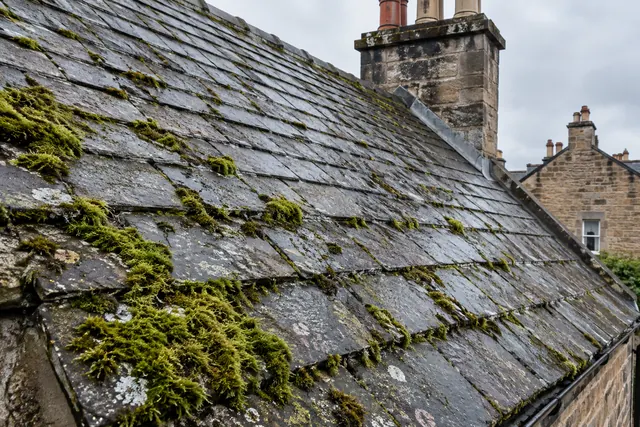
When you inspect the damage, look for these specific signs:
- Missing or displaced slate tiles, often with exposed felt beneath.
- Split or lifted lead flashing around chimneys, vents, and valleys.
- Gaps where roofing felt has torn or pulled away from the edges.
- Blocked or damaged gutters, especially where gutter guards have failed.
If you find any of these, you are likely looking at an emergency repair situation. The key is to act before the weather turns again.
Temporary Fixes That Actually Work
Not every problem needs a full roofer call-out on a Sunday night. For small, isolated leaks, a few well-placed temporary measures can hold until a professional can assess the damage properly. This is where the phrase emergency roof fixes comes into its own. It is not about a permanent solution. It is about stabilising the situation.
A tube of roof sealant can seal a small crack or gap in flashing or around a roof vent. It is not a substitute for proper repair, but it will stop water ingress for a few days. For larger holes or missing tiles, a piece of heavy-duty tarpaulin secured with roofing nails is a classic solution. Drive the nails through reinforced grommets or fold the tarp over a batten to create a strong anchor point. Do not just nail through the middle of the tarp. It will tear in the first gust of wind.
If you have a roofing hammer, use it to tap any loose slate tiles back into place. Sometimes a tile has just shifted rather than broken. A gentle tap can reseat it and stop the leak. But be careful. Slate is brittle and can shatter if you hit it too hard or at the wrong angle.
When to Call in the Professionals
Temporary fixes buy you time, but they are not a long-term strategy. If the damage covers a large area, if the roof structure itself is compromised, or if you cannot safely access the roof, it is time to call a roofing contractor. This is especially true in Bearsden and the surrounding areas where older homes often have complex roof lines, multiple valleys, and original slate tiles that are hard to match.
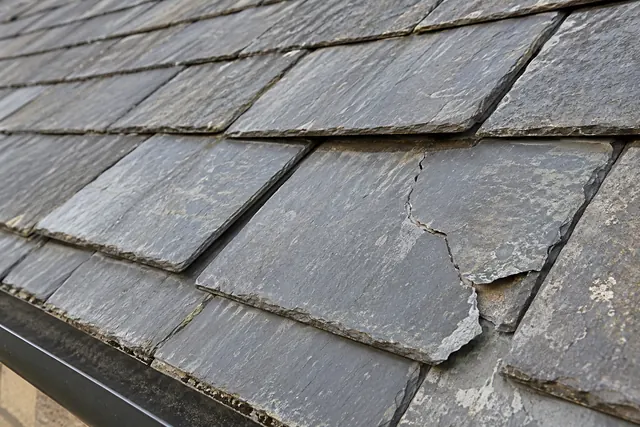
A good roofing contractor will start with a full inspection. They will check the roof deck, the underlayment, the flashing, and the ventilation. They will also look at the gutters and downpipes to make sure water is draining properly. If the damage is extensive, they may recommend replacing whole sections of roofing felt or stripping and relaying slate tiles. They will also handle the building regulations side of things. In many cases, significant roof repairs require a building warrant, especially if you are altering the structure or changing materials. A reputable contractor will know the local regulations and can guide you through the process.
Insurance claims are another consideration. Most home insurance policies cover storm damage, but you need to act quickly. Take photographs of the damage from multiple angles. Keep receipts for any temporary materials you buy, like tarpaulin or roof sealant. Your insurance company will want a detailed report from a qualified roofing contractor. If you file a claim, make sure the contractor provides a written estimate and a scope of work. That documentation is essential.
Prevention: The Best Emergency Fix Is the One You Never Need
Once the immediate crisis is over, think about prevention. A well-maintained roof is far less likely to fail in a storm. Simple steps like cleaning gutters twice a year, checking for loose tiles after high winds, and replacing worn lead flashing can prevent small issues from turning into emergencies. Gutter guards are a worthwhile investment if you have trees near the house. They keep leaves and debris out of the gutters, reducing the risk of blockages and water backup.
Roof vents should also be inspected regularly. A blocked or damaged roof vent can cause condensation buildup in the loft, leading to rot and mould. That kind of damage is slow but expensive to fix. A few minutes of inspection each season can save you thousands.
I once worked with a homeowner in Bearsden who had ignored a small leak for months. Every time it rained, they put out a bucket and thought nothing of it. By the time they called me, the water had rotted the rafters and damaged the ceiling in two rooms. What started as a simple emergency roof fixes situation turned into a full roof replacement. That is the lesson. A small leak never stays small.
Choosing the Right Roofer for Emergency Repairs
When you need emergency repair work done, you need someone reliable fast. But speed should not come at the cost of quality. Look for a roofing contractor with local experience, proper insurance, and a track record of dealing with storm damage. A company like Ross Roofing, for example, has been working in the Glasgow area for years and knows the specific challenges of the local weather and building stock. They understand how slate tiles behave in a Scottish winter and how lead flashing should be installed to last.
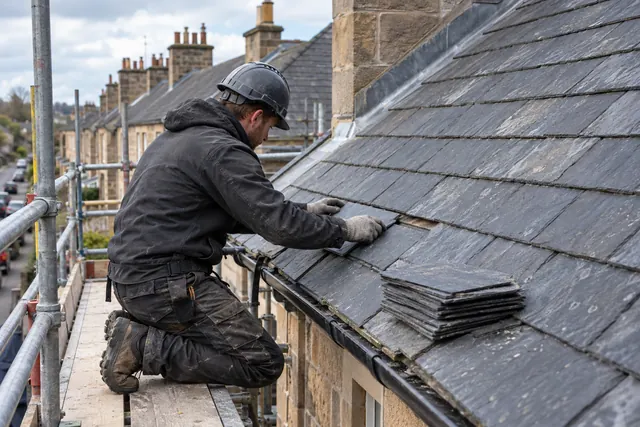
Ask for references. Look at recent work. A good roofer will be happy to show you examples of similar emergency roof fixes they have completed. They will also give you a clear timeline and a fixed price where possible. Avoid anyone who asks for a large cash deposit upfront or who cannot provide a written quote.
Remember that emergency roof fixes are about more than just stopping a leak. They are about protecting the structural integrity of your home, your family's health, and your financial investment. A professional repair is not an expense. It is an investment in your home's future.
The next time the wind howls and the rain lashes against the windows, you will know what to do. Stay calm, contain the damage, make temporary fixes where you can, and call a professional when you need to. That is the smart way to handle any roof emergency.